Postpartum recovery does not happen overnight. Bringing home a new baby is an extraordinary milestone, but it is equally vital to remember that your body has spent nine months undergoing profound physical and emotional changes. Complete healing takes time, whether you are managing hormonal shifts, wound care, or overall fatigue.
Week 1
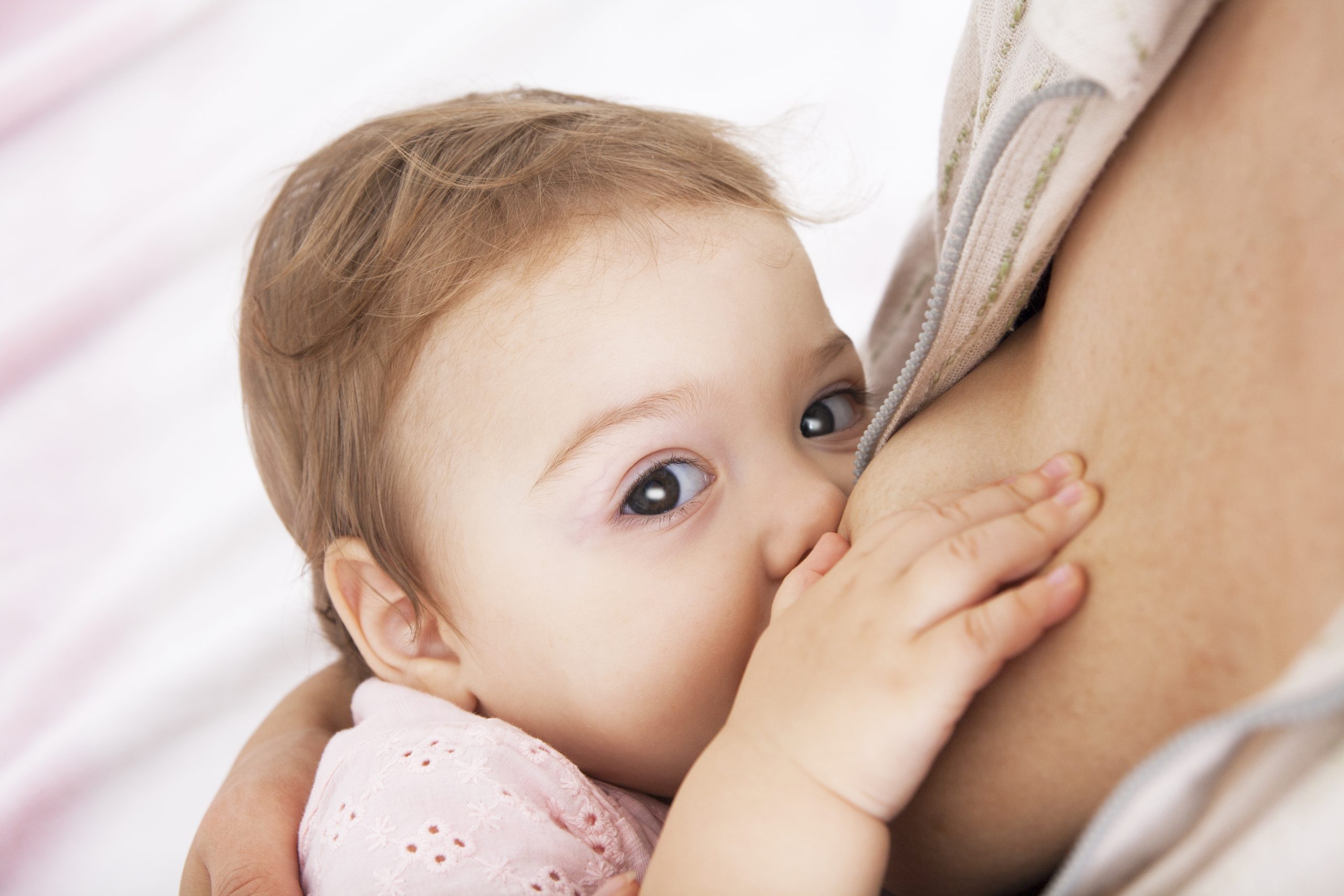
The first seven days focus heavily on rest, managing discomfort, and giving your uterus space to contract back to its natural size. If you experienced a natural birth, expect heavy vaginal bleeding (lochia) and perineal soreness. Applying ice packs for short intervals, using a warm sitz bath, and avoiding long stretches of sitting or standing will provide much-needed relief. For those recovering from a C-section, gentle movement is key; walking short distances promotes healthy circulation, speeds up bowel function, and helps prevent blood clots. Keep your C-section incision clean and dry, washing it gently with mild soap and water before applying an antibacterial ointment. Rapidly shifting hormones during this initial week can also trigger the “baby blues.” If persistent feelings of sadness or anxiety set in, reach out to your healthcare provider immediately to screen for postpartum depression. Nursing mothers experiencing engorgement or cracked nipples can find comfort in cold compresses, dedicated nipple creams, and proper latch guidance.
2 Weeks
By the second week, vaginal bleeding typically begins tapering off into a lighter discharge, though your healing wound may feel slightly itchy as the tissue repairs itself. Postpartum constipation is common during this stage, but staying well-hydrated and consuming a fiber-rich diet of whole grains, fresh fruits, and vegetables will help get your digestion back on track. You can gradually resume basic day-to-day activities and light exercises like gentle stretching or walking. If lingering muscle aches persist, a warm shower or heating pad can offer soothing comfort.
3 to 6 Weeks
Bleeding should lighten significantly during this window and will often stop completely by the six-week mark. Integrating pelvic floor exercises like Kegels into your routine during this period helps rebuild core strength and restore bladder control. Your six-week checkup is an important milestone where your doctor will evaluate your recovery, discuss contraception, and clear you for structured exercise and intimacy. Take things entirely at your own pace and focus on low-impact activities like walking, swimming, or yoga to gently rebuild stamina.
6 Months
Around three to four months after delivery, temporary postpartum hair loss often peaks due to sudden hormonal changes, but your hair should regain its full, healthy volume by the six-month mark. Most mothers also recover full bladder control around this time. Your menstrual cycle may resume within 6 to 12 weeks if you are not nursing, whereas breastfeeding can delay your period for several months because milk production hormones suppress ovulation. Keep in mind that it is possible to ovulate before your first period returns, so discuss birth control options with your OB/GYN if you want to avoid an unplanned pregnancy.
Every postpartum journey follows its own unique timeline. Give yourself the time and grace you need to heal, and allow yourself to celebrate your postpartum body as you transition into motherhood.
Frequently Asked Questions
How long does full postpartum recovery take? While basic tissue and scar healing occur within 6 to 8 weeks, full recovery (including hormonal regulation, pelvic floor strength, and full energy restoration) often takes up to a year.
What are the warning signs of postpartum complications? Contact a doctor immediately if you experience heavy bleeding (soaking through a pad an hour), a fever over 38°C (100.4°F), severe abdominal pain, foul-smelling discharge, or thoughts of self-harm.