Oral care needs change as children grow. The right routine for an infant is very different from what works for a preschooler. Understanding how to use baby toothpaste at each stage helps parents build healthy habits from the very beginning.
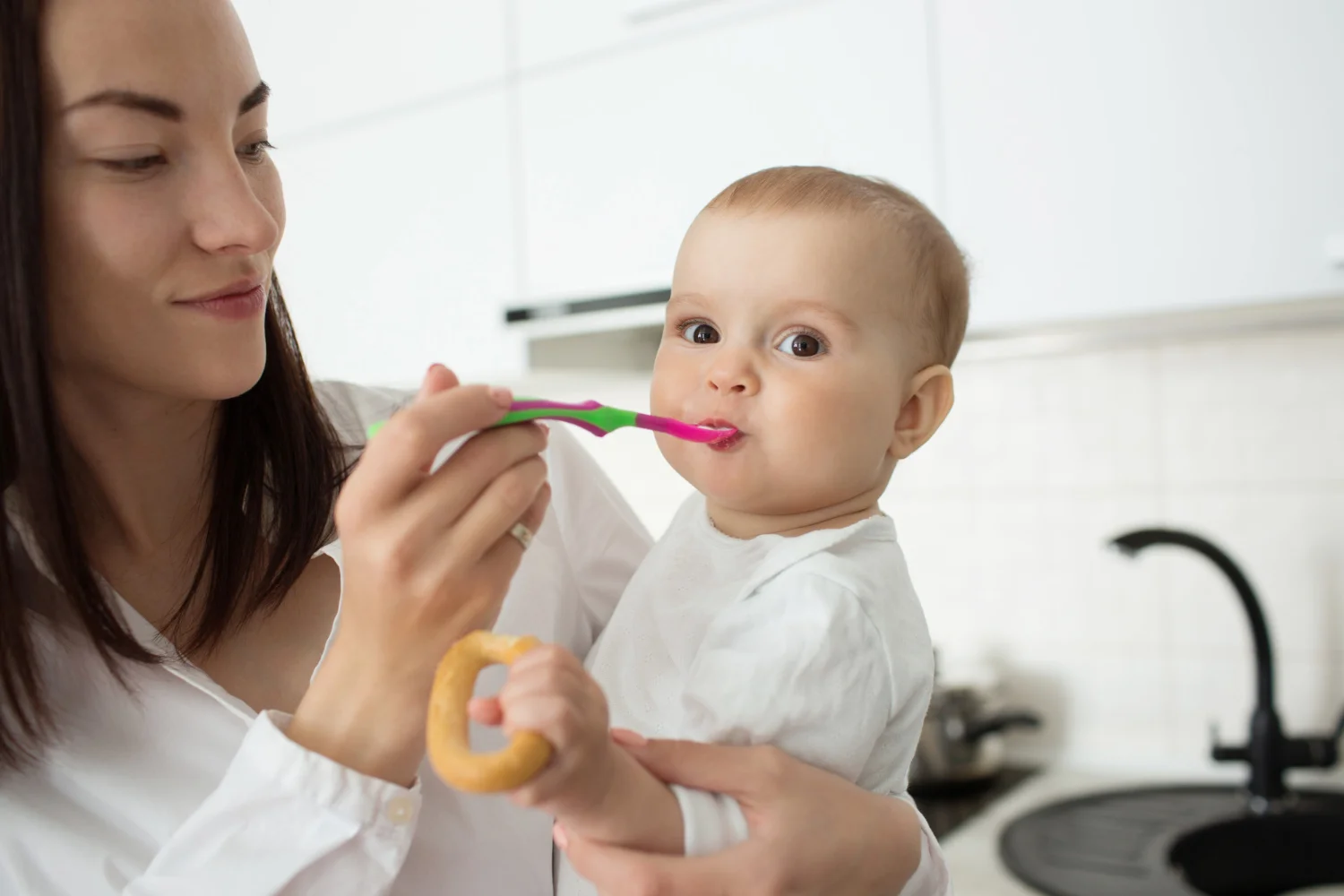
In Malaysia, children are often exposed to sweetened drinks, flavoured milk, biscuits, and local snacks at an early age. Combined with frequent baby feeding, this increases the importance of proper oral hygiene. Early care protects young teeth and supports long-term dental health.
Understanding Baby Oral Development by Age
A child’s mouth develops rapidly in the first few years of life, and oral care needs change at every stage. From cleaning delicate gums in infancy to teaching preschoolers proper brushing techniques, understanding what happens in the mouth at each age helps parents build the right routine early.
From Birth to First Tooth (0–6 Months)
Before teeth appear, bacteria can still build up on gums. Cleaning your baby’s mouth with a soft, damp cloth after feeds helps maintain hygiene. Even at this stage, oral care is part of your daily routine alongside other breastfeeding essentials and hygiene practices.
First Teeth to Full Baby Smile (6–36 Months)
Teething usually begins around six months. Once the first tooth erupts, brushing should begin. Early cavities can affect permanent teeth development later, so consistent care matters. Milk residue from frequent feeds and night feeding can increase cavity risk if teeth are not cleaned properly.
Preschool Years and Growing Independence (3–6 Years)
During preschool years, children become more independent. They eat a wider variety of foods, including sweets at parties or school. Building a consistent morning and night brushing routine becomes essential during this stage.
Infant Stage (0–1 Year): Gentle Start without Stress
The first year is about building simple, stress-free habits. At this stage, oral care should feel calm and manageable, not overwhelming. By introducing gentle cleaning early, parents can help babies become familiar with the sensation of brushing and establish a positive foundation for future routines.
Do Infants Really Need Baby Toothpaste?
Once the first tooth appears, you can introduce a small smear of baby toothpaste. For infants, a rice-grain sized amount is sufficient. Teeth should be brushed twice daily, especially after the last feed at night.
Step-by-Step Oral Care Routine for Infants
A simple and consistent routine makes oral care easier for both baby and parent.
- Wipe gums gently after baby feeding sessions
- Brush first teeth gently twice daily.
- Focus on cleaning after the final night feed.
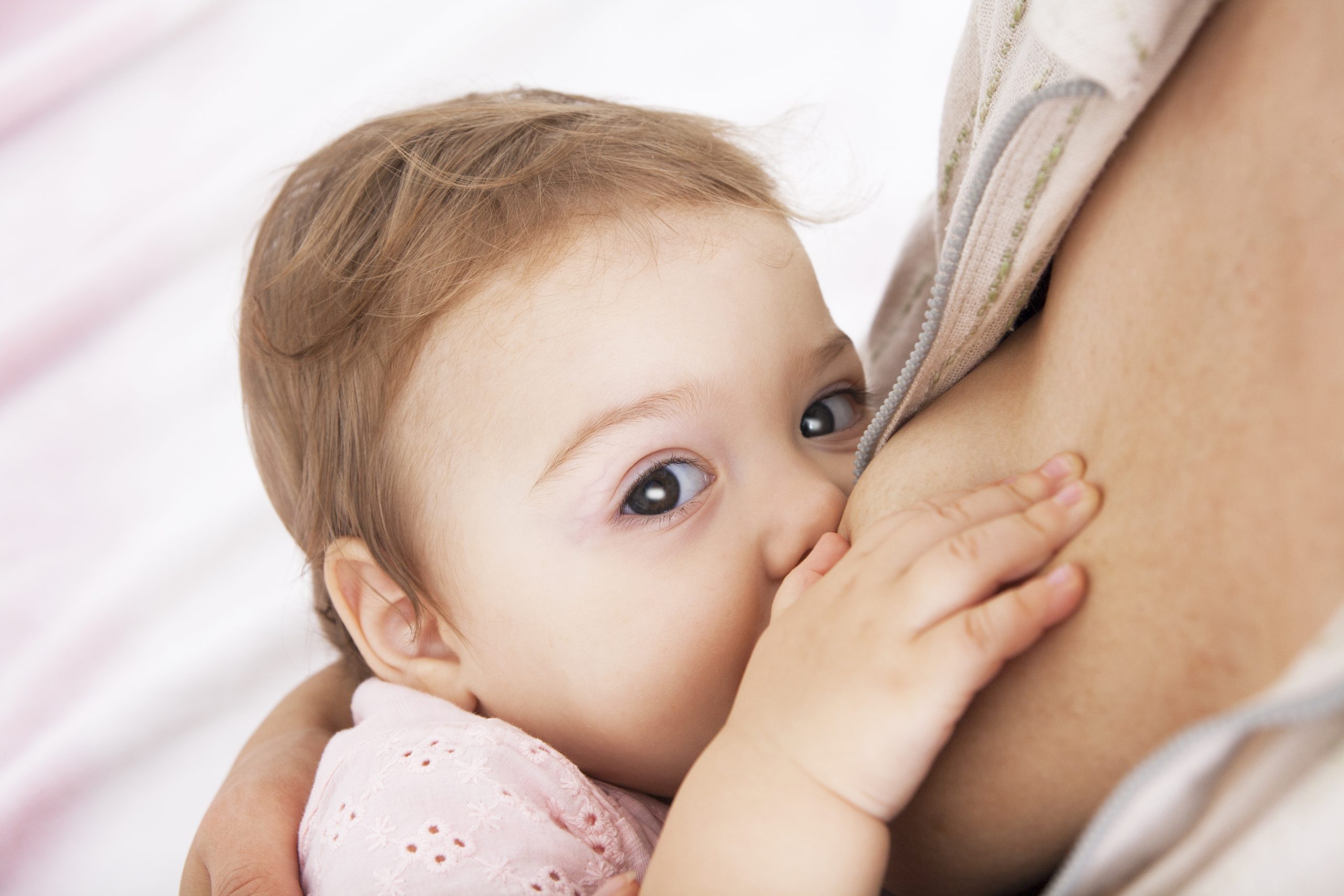
Malaysian parents often manage night feeds or comfort nursing. Even if baby falls asleep during feeding, gently cleaning the mouth before bed helps reduce milk residue buildup.
Practical Tips for Fussy or Teething Babies
Some babies bite the brush or cry. Try lap-to-lap brushing with another adult, or brush in the bathroom where lighting is better. Keep sessions short and calm.

Toddler Stage (1–3 Years): Learning to Brush Together
The toddler years are a time of growing independence and strong opinions. While toddlers are eager to “do it themselves,” they still need guidance and supervision to build proper brushing habits. This stage is about learning together, turning brushing into a shared routine rather than a daily struggle.
How Much Baby Toothpaste to Use for Toddlers
For toddlers aged 1–3 years, use a thin smear. Supervised brushing remains essential, even if they insist on doing it themselves.
Daily Brushing Routine for Busy Malaysian Families
Morning brushing can be done after breakfast before leaving for nursery. Night brushing should happen after the last meal or milk. Frequent snacks and sweet drinks increase cavity risk, so brushing twice daily is non-negotiable. Parents who are already managing bottle routines and transitioning from bottle teat sizes should also review brushing habits alongside feeding transitions.
Turning Brushing into a Fun Habit
Use songs, brushing charts, or storytelling. Let toddlers choose their toothbrush colour. Keep the routine screen-free and positive.
Preschool Stage (3–6 Years): Building Independence and Good Technique
During the preschool years, children develop better coordination and a stronger sense of independence. This is the stage where brushing habits begin to feel more routine, but guidance from parents remains essential. The focus shifts from simply brushing to brushing correctly and consistently.
When Can Preschoolers Start Brushing on Their Own?
Children can begin practising independence, but parents should still check and re-brush areas they miss. True independence usually comes later.
Toothpaste Use for Preschoolers: Amount and Frequency
A pea-sized amount is recommended for children aged 3–6 years. Teach them to spit out toothpaste and avoid swallowing.
Oral Care Skills for School Readiness
Preschoolers should learn to rinse, spit, and store their toothbrush properly. Explain cavities in simple language so they understand why brushing matters.
Common Brushing Challenges at Each Age (and How to Solve Them)
Every age comes with its own brushing challenges. What works for an infant may not work for a toddler or preschooler. Understanding these common difficulties helps parents respond calmly and adjust routines instead of feeling frustrated.
Infant Challenges
In the first year, brushing resistance is usually linked to sleep routines or unfamiliar sensations. Babies are still adjusting to daily oral care.
- Baby falls asleep during feeding
- Baby clamps mouth shut
Try brushing gently while baby is relaxed but awake. Keep it brief and consistent to build familiarity without stress.
Toddler Challenges
Toddlers are discovering independence, which often shows up during brushing time. Power struggles are common at this stage.
- “I brush myself!” but misses many teeth
- Refuses brushing after sweet snacks
Use positive reinforcement instead of force. Gentle guidance and encouragement help create cooperation over time.
Preschool Challenges
Preschoolers may understand the routine but lack consistency. Distractions and imitation of siblings can affect brushing quality.
- Rushing through brushing
- Copying siblings’ habits
Use simple reward charts and role modelling. Consistency and parental example make a lasting difference.
When to See a Dentist in Malaysia
Children should have their first dental visit by age one or within six months of the first tooth erupting. After the initial visit, most dentists recommend check-ups every six months to monitor oral development, detect early signs of decay, and reinforce good brushing habits.
Signs You Should Not Wait
- White or brown spots
- Bleeding gums
- Persistent bad breath
Early visits help detect issues like early childhood caries, as tooth decay in kids can often go unnoticed, making it important for parents to understand the causes, symptoms and treatments early on.
Parents who are unsure about selecting the right toothpaste should take time to understand what makes a baby toothpaste suitable for their child’s age, needs, and brushing stage.
Age-Based Oral Care Checklist for Malaysian Parents
| Age Group | Frequency of Brushing | Toothpaste Amount | Parent Role |
| 0–1 year (infant) | 2 times daily | Smear / rice grain size | Fully brush and clean gums |
| 1–3 years | 2 times daily | Thin smear | Supervise and guide hand movements |
| 3–6 years | 2 times daily | Pea-sized amount | Check, re-brush, and time 2 minutes |
How Baby Toothpaste Supports Healthy Habits Long Term
Good oral care in the early years lays the foundation for lifelong dental health. Using the right baby toothpaste and building consistent brushing routines help children develop positive habits that continue well beyond childhood.
From Baby Teeth to Permanent Teeth
Healthy baby teeth support jaw development, speech clarity, and proper spacing for adult teeth. Early habits also reduce fear of dental visits.
Creating a Positive Bathroom Routine for the Whole Family
Let siblings brush together and have parents brush at the same time to model positive habits. A safe bathroom setup with a stool and cup encourages independence and builds confidence. Explore Pigeon’s complete range of baby oral care products to help make brushing easier, gentler, and more reassuring at every stage of your child’s growth.
Building Lifelong Healthy Smiles from the Start
Good oral care in the early years lays the foundation for lifelong dental health. The right baby toothpaste, combined with consistent, age-appropriate routines, helps children develop confidence and healthy habits that carry into adulthood.
Healthy baby teeth support jaw development, speech clarity, and proper spacing for permanent teeth. Strong early brushing routines also make dental visits less intimidating and more routine over time.
Let siblings brush together and have parents brush at the same time to model positive habits. A safe bathroom setup with a stool and cup encourages independence and builds confidence.
To support your child’s oral care journey at every stage, explore Pigeon’s complete range of baby oral care products designed to make brushing gentle, safe, and reassuring for growing smiles.
FAQs About Baby Toothpaste
1. When should I start using baby toothpaste for my child?
You can start using baby toothpaste once your baby’s first tooth erupts. For infants, use a rice-grain sized smear and brush twice daily, especially after the final feed at night. Before teeth appear, gently wipe the gums with a soft, damp cloth to maintain oral hygiene.
2. How much baby toothpaste should toddlers and preschoolers use?
For toddlers aged 1–3 years, use a thin smear of toothpaste. For children aged 3–6 years, a pea-sized amount is recommended. Parents should supervise brushing and ensure children learn to spit out toothpaste rather than swallow it.
3. What if my child refuses to brush or wants to brush alone?
This is common, especially during the toddler and preschool years. Allow your child to practise brushing, but always check and re-brush missed areas. Use songs, reward charts, and positive reinforcement to make brushing a calm and consistent routine instead of a struggle.
4. How often should my child visit the dentist in Malaysia?
Children should have their first dental visit by age one or within six months of the first tooth appearing. After that, dental check-ups are generally recommended every six months to monitor development and detect early signs of tooth decay.