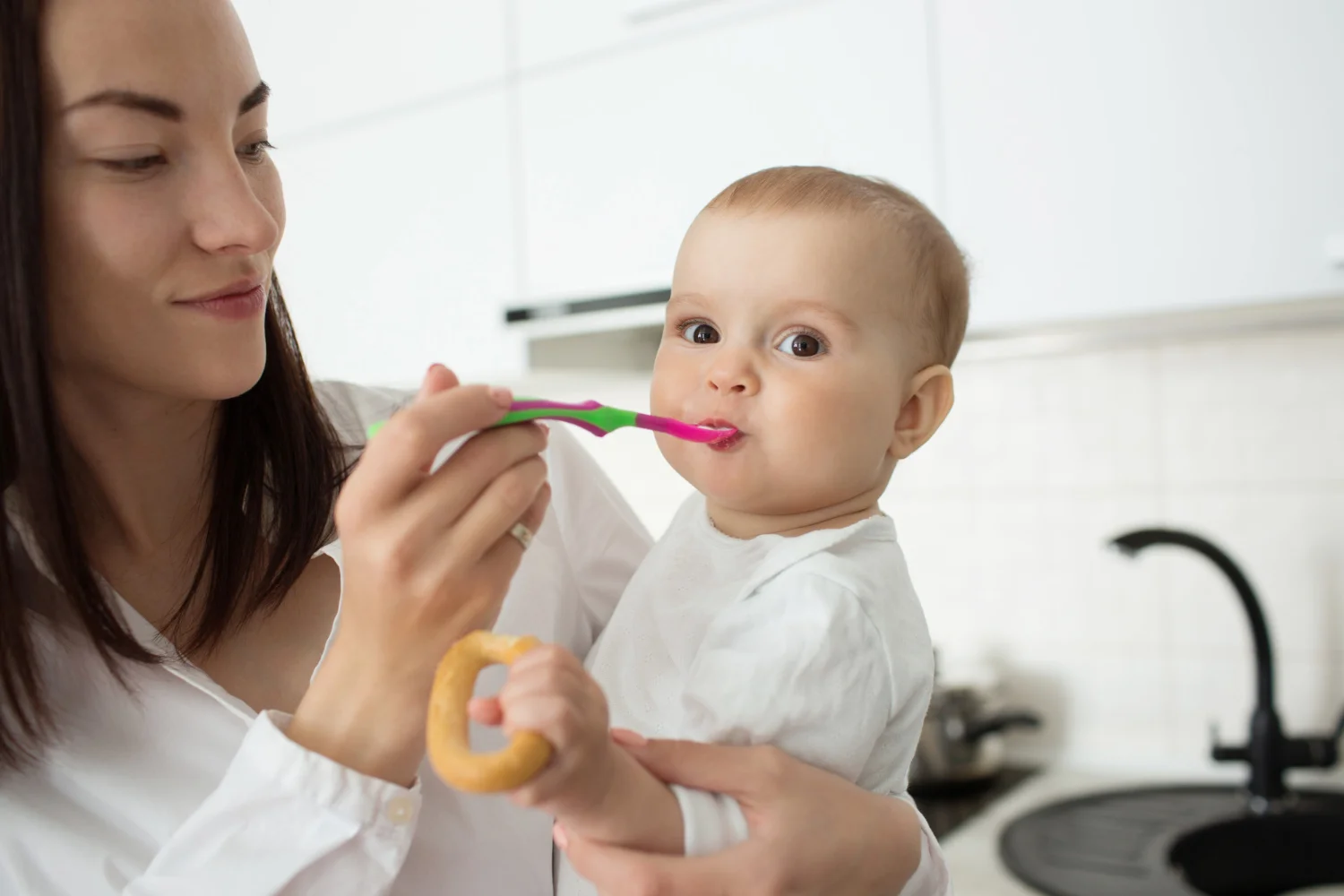
Baby feeding is not just about what your baby eats, but how they are fed. Feeding positions play a crucial role in your baby’s comfort and digestion, whether you are breastfeeding, bottle feeding, or combining both. Proper positioning can make feeding more manageable for both parent and baby.
Many common feeding challenges, such as excessive gas, difficulty burping, or hiccups after feeding, are often linked to positioning rather than the milk itself. Understanding the best baby feeding positions can help improve latch, reduce air intake, and support smoother feeds from the very beginning.
Why Baby Feeding Positions Matter
A good feeding position supports proper milk flow and allows your baby to swallow comfortably without taking in too much air. When babies are well supported, they are better able to coordinate sucking, swallowing, and breathing during feeds.
Poor positioning may lead to gulping, gas buildup, or discomfort, making feeding sessions more unsettled. Whether using a baby bottle, feeding bottle, or breastfeeding directly, positioning affects milk flow, how much air is swallowed, how easily your baby burps, and the likelihood of hiccups after feeding.
What Are the Best Baby Feeding Positions?
There is no single perfect feeding position for every baby. The best position is one that keeps your baby comfortable, well supported, and slightly upright during feeding, while allowing you to observe their latch, swallowing, and overall comfort throughout the feed.
Cradle Hold Position
The cradle hold is one of the most commonly used baby feeding positions for both breastfeeding and bottle feeding. Your baby rests in the crook of your arm with their head supported and body facing you. This position offers stability and is especially helpful for newborns who need close support.
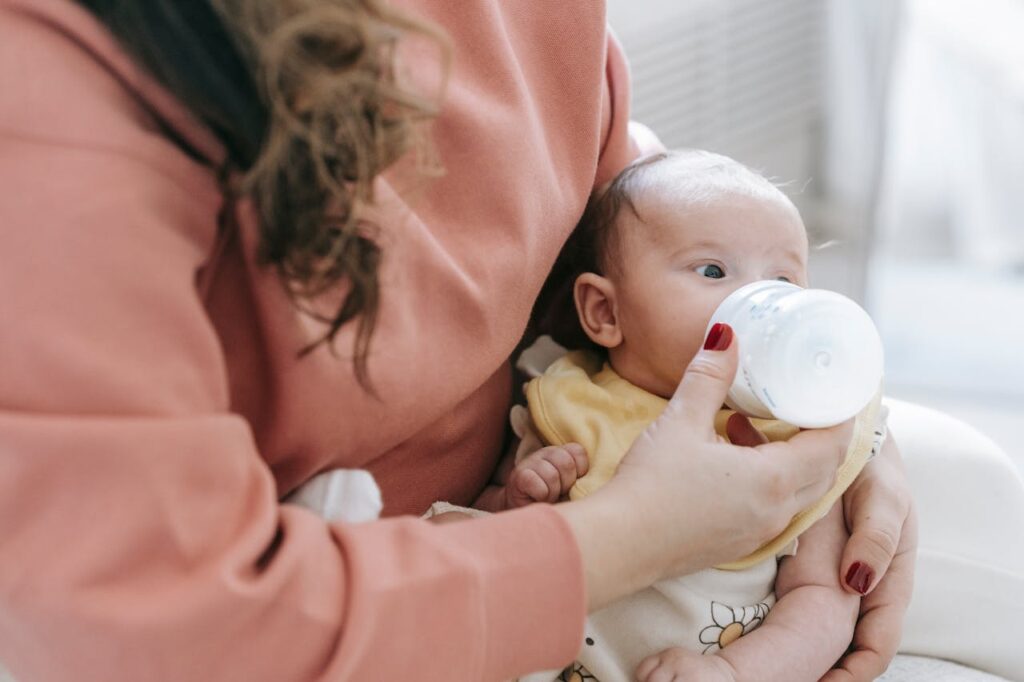
This position promotes bonding while allowing you to observe your baby’s latch and feeding rhythm. When using a baby milk bottle, keeping the bottle angled correctly helps prevent excessive air intake. It also allows milk to flow steadily without overwhelming your baby.
Upright Feeding Position
An upright feeding position is especially helpful for babies who experience frequent gas, reflux, or discomfort after feeds. Holding your baby in a more vertical posture allows gravity to support milk flow and digestion. It also helps keep milk from pooling too quickly in the mouth.
This position works particularly well with an anti-colic bottle, PPSU bottle, or wide-neck bottle, as it helps reduce air swallowing during feeding. Babies fed upright often burp more easily after feeding. It can also make feeding feel more comfortable for babies who are prone to spit-up.
Side Lying Feeding Position
The side-lying position is commonly used during breastfeeding, especially for night feeds. Both mother and baby lie on their sides facing each other, allowing feeding while resting. This position can help reduce strain on the mother during longer or overnight feeds.
This position supports relaxed baby feeding and can be helpful when managing nipple sensitivity. Proper alignment and supervision are important for maintaining safety. Ensuring your baby’s nose and mouth remain clear supports comfortable breathing during feeds.
Paced Bottle Feeding Position
Paced bottle feeding focuses on slowing down the feeding process so babies can control milk flow at a comfortable pace. Your baby is held in a semi-upright position while the baby bottle is introduced gradually, allowing pauses that mimic natural breastfeeding rhythms.
This method is especially helpful when transitioning between breastfeeding and bottle feeding using a feeding bottle, baby bottle, or wide-neck bottle. It supports natural feeding cues, encourages better digestion, and reduces air intake that may lead to gas or discomfort.

How Feeding Positions Affect Burping
Many parents worry when their baby does not burp after feeding, especially if they are new to baby feeding routines. In many cases, this is related to feeding position rather than digestion, as certain positions allow babies to swallow less air during feeds.
Babies fed in upright or paced positions often take in less air, making burping easier or sometimes unnecessary. If your baby appears calm, relaxed, and comfortable after feeding, a missed burp is usually not a concern.
Signs such as normal breathing, settled behaviour, and good sleep often indicate that your baby is comfortable. Using supportive feeding positions together with an anti-colic bottle or a suitable bottle teat can further reduce air intake and help minimise burping difficulties over time.
Feeding Positions and Baby Hiccups After Feeding
Hiccups are common during early baby feeding and are usually harmless, especially in newborns and young infants. They often occur when babies swallow air, feed too quickly, or experience slight stomach distension after a feed.
While hiccups may seem uncomfortable, they rarely cause distress and typically resolve on their own. Feeding positions that keep your baby upright and encourage slower, more controlled feeding can help reduce hiccups after feeding.
Using an anti-colic bottle, choosing the correct bottle teat, and pausing during feeds to allow burping all support smoother digestion and may reduce how often hiccups occur.
Choosing the Best Baby Feeding Bottles to Support Positioning
Feeding positions work best when paired with suitable feeding tools. Choosing the right baby feeding equipment supports comfort, improves milk flow, and reduces air intake. The right combination helps create a smoother, more relaxed feeding experience for both baby and parent.
Bottles designed with air vent systems work well alongside upright and paced feeding positions, as they help reduce swallowed air during feeds. Using an anti-colic bottle, choosing the correct bottle teat, and pausing during feeds to allow burping all support smoother digestion and may reduce hiccups.
Besides anti-colic bottles, PPSU bottles offer durability, wide-neck bottles support easier latching, and glass or lightweight plastic options suit different needs. When paired with the right feeding position, they can help reduce air intake and support more settled feeds.
Supporting Baby Feeding with the Right Essentials
A smooth feeding routine often includes more than feeding positions alone. Many parents prepare a set of breastfeeding essentials and baby care items to support daily needs. These may include a manual breast pump, a milk collector, or a baby pacifier to soothe between feeds.
As babies grow, items such as a baby water bottle or straw bottle may be introduced when age-appropriate. It is important to understand when it is safe for babies to drink water from a bottle, as water is generally recommended only after six months unless advised otherwise.
Baby feeding accessories should always match your baby’s developmental stage and nutritional needs. Daily care products such as baby shampoo, baby lotion, baby powder, nappy rash cream, and stretch mark cream for mothers also support comfort before and after feeds, helping care for both baby and parent.
Adapting Feeding Positions as Your Baby Grows
As babies grow, feeding needs naturally change. Newborns require more head and neck support during feeds, while older babies often prefer more upright positions as their muscle control and coordination improve.
As routines evolve, parents may gradually introduce new feeding tools and accessories to match developmental stages. Paying attention to your baby’s comfort, cues, and posture remains key. Consistently using proper feeding positions helps build a positive, settled feeding experience at every stage.
Building a Comfortable Baby Feeding Routine
Baby feeding positions play a central role in feeding comfort and digestion. The right position can support smoother milk flow, reduce air intake, minimise hiccups, and make burping easier, whether you are breastfeeding or using a baby bottle.
By combining supportive feeding positions with suitable baby feeding bottles and gentle care routines, parents can create a calmer and more confident feeding experience. Small adjustments often make a big difference, helping both baby and parent feel more at ease throughout the feeding journey.
To support your baby’s feeding routine at every stage, explore Pigeon’s range of thoughtfully designed feeding bottles and baby care essentials, created to help make everyday feeding more comfortable and reassuring.
FAQs About Baby Feeding Positions
1. What are the best baby feeding positions?
The best baby-feeding positions keep your baby well-supported, slightly upright, and properly aligned. Popular options include the cradle hold, upright feeding, side-lying, and paced bottle feeding, depending on your baby’s comfort and needs.
2. Why is the feeding position important during baby feeding?
Feeding position affects milk flow, air intake, and your baby’s ability to coordinate sucking, swallowing, and breathing. Proper positioning can reduce gas, discomfort, and unsettled behaviour after feeds.
3. Which feeding position helps reduce gas and hiccups?
Upright and paced feeding positions often help reduce swallowed air. Keeping your baby slightly upright during and after feeds may support smoother digestion and reduce gas or hiccups.
4. Do feeding positions change as my baby grows?
Yes. Newborns require more head and neck support, while older babies may prefer more upright positions as their muscle control improves. Adjusting positions as your baby develops helps maintain comfort and support.