Supporting Malaysian Parents Every Step of the Way
Making the move from exclusive breastfeeding to bottle feeding is a significant milestone for both baby and parents. Many Malaysian mothers wonder how to introduce a bottle without causing stress, affect breastfeeding negatively, or risk nipple confusion. With the right approach and high-quality breastfeeding essentials, you can ensure your baby’s comfort and maintain the strong bond that feeding time creates.
Why Switch to Bottle Feeding?
There are many reasons why Malaysian parents might consider switching, or supplementing, breastfeeding with bottle feeding:
- Preparing to return to work.
- Sharing feeding duties with a partner or caregiver.
- Addressing latching or supply challenges.
- Making night feeds easier and more restful.
- Supporting social outings or travel.
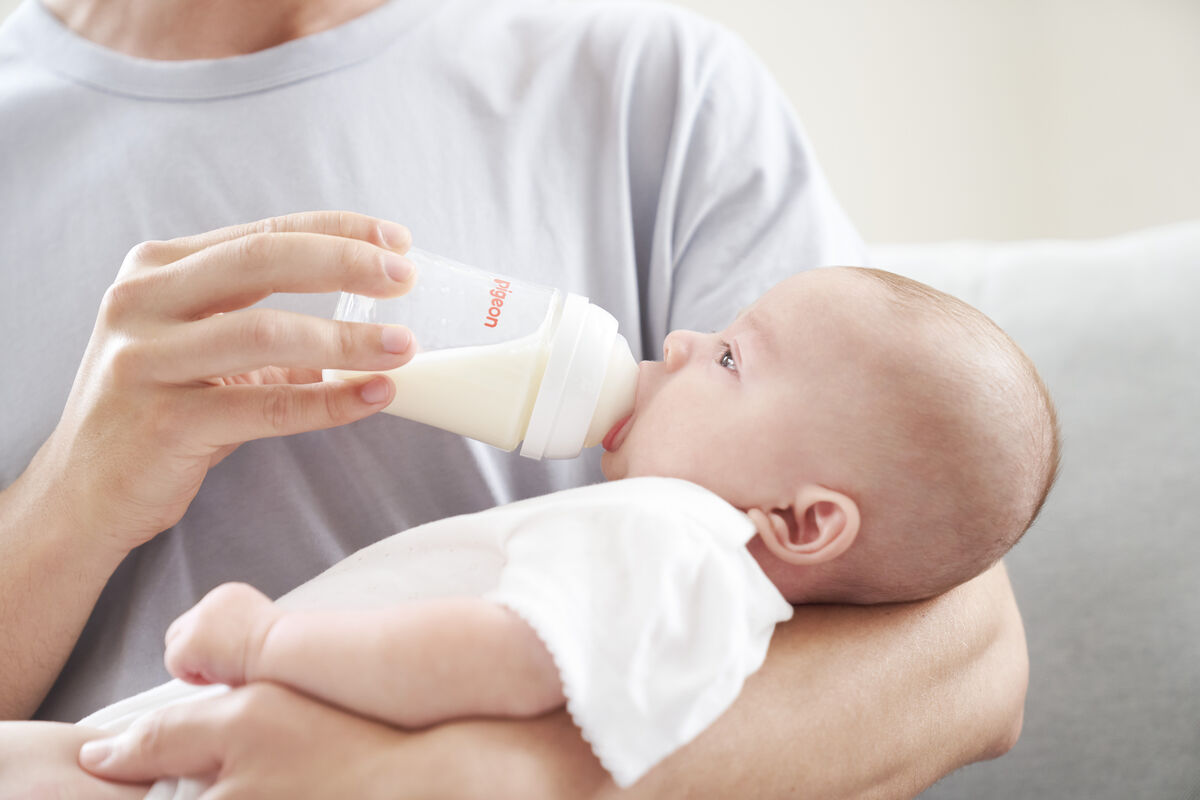
Bottle feeding, especially with breastmilk, can provide continuity of nutrition and routine without compromising on closeness or care.
When Should You Introduce the Bottle?
Timing is key. The Ministry of Health Malaysia and global experts recommend introducing the bottle after breastfeeding is fully established—usually after 4 to 6 weeks. By this point, your baby will likely have a reliable latch, and your milk supply should be stable.
Introducing the bottle too early can potentially contribute to nipple confusion, while waiting too long may make some babies more resistant to change. Carefully observe your baby’s cues and trust your instincts as a parent.
Understanding Nipple Confusion and Preference
Nipple confusion happens when a baby struggles to switch between breast and bottle due to differences in sucking technique and milk flow. The breast requires a baby to work harder for milk; bottle feeding is often easier and faster, which can result in a preference for one over the other.
How to Minimise Nipple Confusion
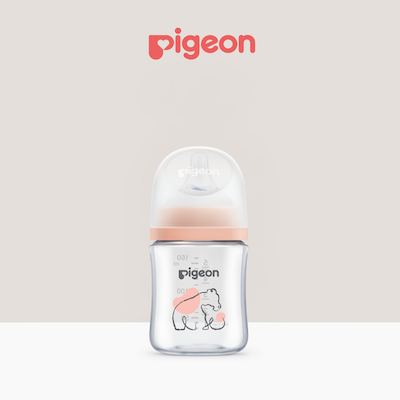
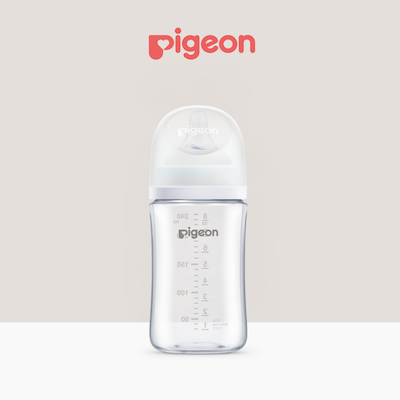
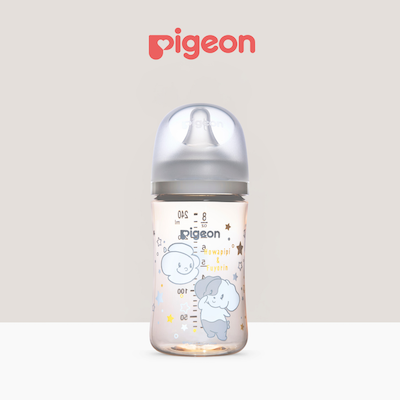
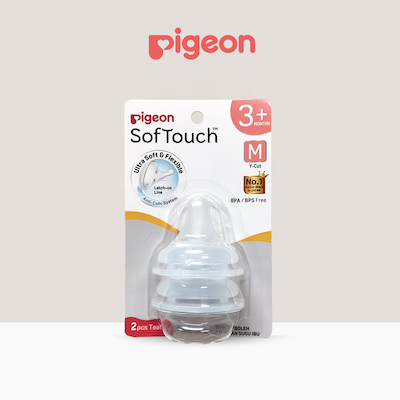
- Use feeding bottles and teats designed for combination feeding, such as the Pigeon Softouch range.
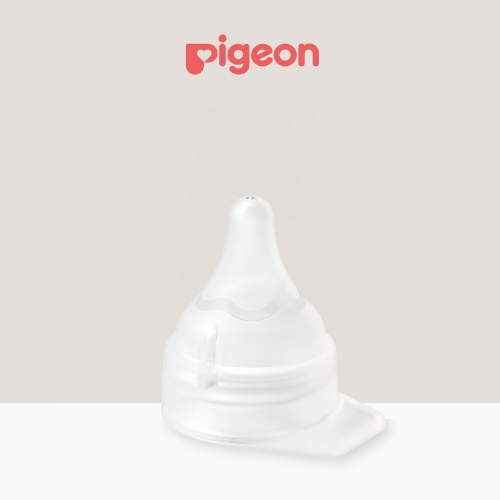
- Select slow-flow teats to mimic the breast and require active sucking.
- Practise paced bottle feeding, which allows the baby to suck and swallow at their natural pace.
Step-by-Step Guide: A Gentle Transition
1. Choose the Right Equipment
Start with high-quality breastfeeding essentials and bottles. Essentials include:
- A feeding bottle with a slow-flow or anti-colic teat to control milk flow and mimic breastfeeding.
- A baby water bottle for hydration when your child begins to eat solids.
- Accessories such as cleaning brushes, sterilising tools, and milk storage containers.
 |
 |
 |
2. Start Gradually and Select the Right Time
- Introduce the bottle when your baby is calm, not extremely hungry or tired.
- Choose a familiar, comfortable environment.
- Offer expressed breastmilk in the bottle to ease the transition.
3. Offer the Bottle from Another Caregiver
Babies often associate mothers with breastfeeding, so sometimes, another trusted caregiver can have more success during initial attempts.
4. Mimic Breastfeeding as Much as Possible
- Hold your baby in a similar position as you would when breastfeeding.
- Encourage skin-to-skin contact for comfort and bonding.
- Gently tease the bottle teat along your baby’s lips and wait for them to open wide, as if latching onto the breast.
5. Remain Patient and Observant
- Some babies might need several attempts before accepting the bottle.
- Stay consistent and positive, but do not force the bottle if the baby resists.
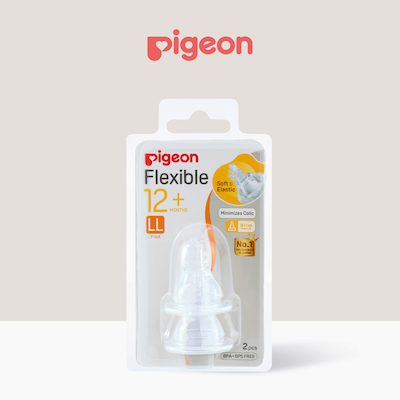
- Try different nipple shapes and materials if your baby is refusing.
 |
 |
 |
Combining Breast and Bottle Feeding
- Continue to offer breastfeeds regularly, especially at night or for comfort.
- Monitor your baby’s cues—do not force feeds or schedule drastic changes overnight.
- Use plenty of positive reinforcement and cuddles to make every feeding experience reassuring and stress-free.
Practical Tips for Success
- Keep bottles, teats, and accessories meticulously clean—Malaysia’s warm, humid climate can make bacteria grow quickly. Use proper bottle sterilisation techniques.
- Hydration is key! For older babies, always have a sterilised baby water bottle with boiled, cooled water available, especially during outings in Malaysia’s hot weather.
- Protect and soothe delicate skin: Use a gentle baby lotion after feeds or baths to manage sensitive skin, and stretch mark cream for mums during and after pregnancy.
Stick to familiar routines: Babies thrive on routine. Introduce changes gradually and avoid big transitions during periods of illness, teething, or travel.

Frequently Asked Questions (FAQ)
Can I mix breastfeeding and bottle feeding on the same day?
Yes. Many Malaysian parents successfully combine feed, offering the breast for some feeds (such as at night or for comfort) and bottles for others, especially when returning to work or letting a partner help.
How do I choose the best feeding bottle for my baby?
Look for feeding bottles made of safe, BPA-free materials, with teat shapes and flows suitable for your baby’s age. Anti-colic features are especially helpful for fussy babies.
How do I know if my baby is ready for a baby water bottle?
Babies can start using a baby water bottle with a straw or spout once they begin solids (typically around 6 months). Always use boiled, cooled water.
Will switching to a bottle affect my milk supply?
Only if breastfeeds are dramatically reduced. If you wish to maintain supply, continue to express milk or breastfeed regularly.
How do I care for my skin during this period?
Moisturise daily with a soothing baby lotion for your baby and a quality stretch mark cream for yourself.
Related Articles
- Discover how to maximise milk collection with a milk collector.
- Learn how to measure the right size for a breast pump nipple to ensure comfort.
- Protect your baby’s skin by selecting the best nappy rash cream options available locally.
- Prepare your family for adventures with a checklist of travel essentials.
Make the Switch with Confidence
Transitioning from breastfeeding to bottle feeding is a personal journey, unique to each family and child. With a thoughtful approach, the right breastfeeding essentials, and patience, you can ensure a positive, nurturing experience for your baby. Remember, it is not about replacing breast with bottle—it is about finding what works for you and your family at every stage.
Ready to make the transition smoother? Explore Pigeon Malaysia’s full range of feeding bottles, baby water bottles, baby lotion, stretch mark cream, and essential breastfeeding essentials.
Give your family the confident start it deserves—Pigeon is with you every step of the way.