Introducing water into your baby’s diet is an exciting step, but it is also one of the most misunderstood milestones for new parents. Many wonder whether it’s safe to give a young baby water, how much is appropriate, and whether to offer it through a baby water bottle, feeding bottle, or straw cup.
With so much information available, it’s important to understand the right timing and safe practices, so your little one stays healthy and well hydrated. This guide explains when babies can safely drink water in an anti-colic bottle, how much water they need, and the best bottle types to support oral development and independence.
When Can Babies Drink Water in a Bottle?
The recommended and safest age to introduce water is 6 months old. Before this age, babies receive all the hydration they need from breast milk or formula. Even in Malaysia’s warm weather, newborns and young infants do not require additional water.
0–6 Months: No Water Needed
Babies under six months should not drink water because their bodies are not yet ready to process it, and doing so can interfere with nutrient absorption. Offering too much water at this age may even lead to water intoxication, which disrupts the body’s sodium balance and can be dangerous.
Water can also reduce a baby’s appetite, resulting in poor weight gain during a crucial developmental period. Whether your baby is feeding through a bottle or breastfeeding exclusively, additional water is unnecessary and potentially harmful.
During this early stage, an anti-colic bottle is often recommended for milk feeds to help reduce gas, discomfort, and fussiness without needing to supplement with water.
6–12 Months: Small Sips Are Safe
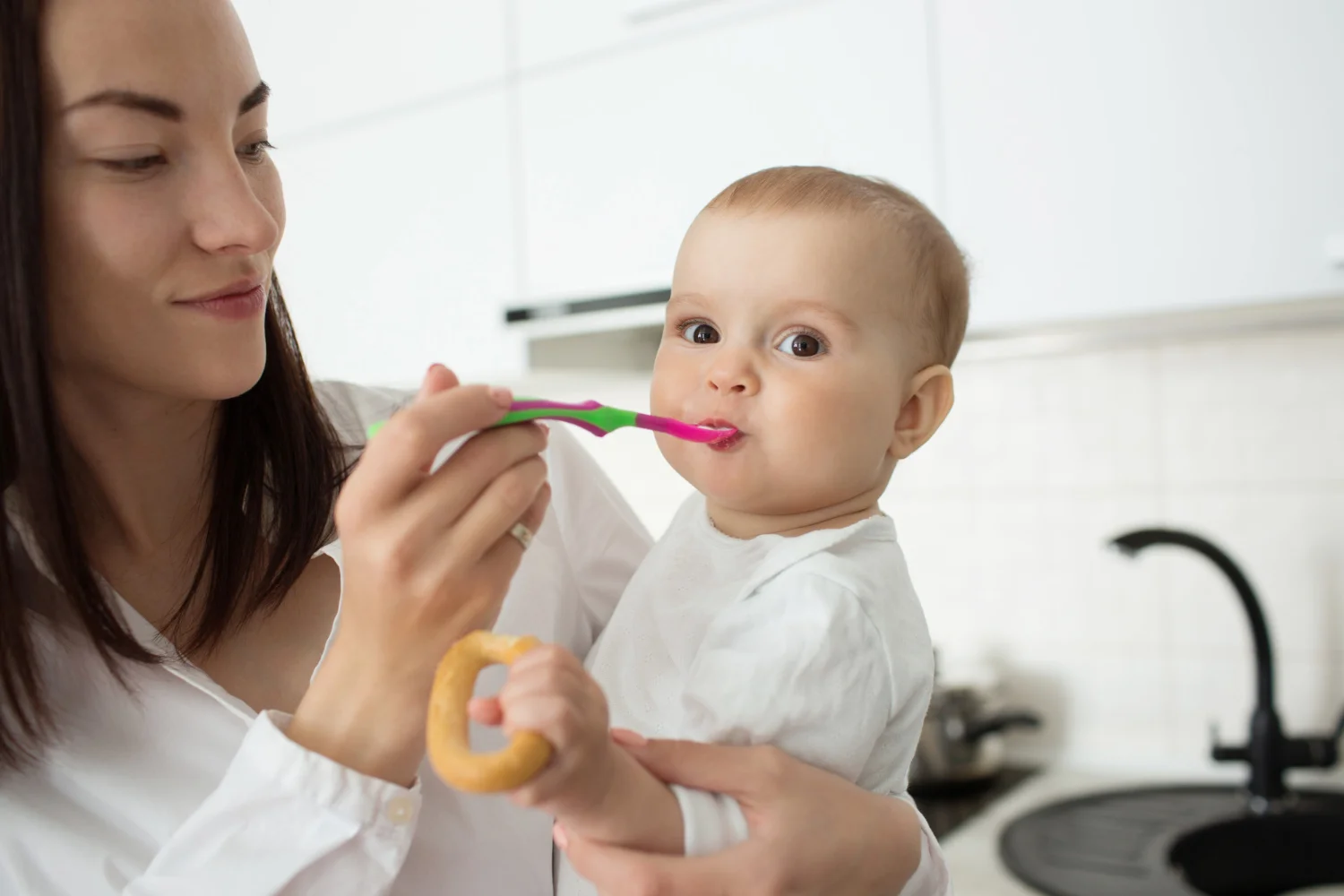
At around 6 months, once your baby starts solids, you can introduce water in small amounts. This is the ideal time to begin using a baby water bottle to help them practice sipping and gripping. Introducing water at this age supports digestion and prevents constipation.
Offering water during mealtimes, especially as your baby tries thicker purees or soft foods, can make swallowing easier and reduce discomfort. Beginning early with a proper water bottle also helps babies distinguish between milk feeds and hydration, creating healthy habits as they grow.
12 Months and Above: Water Becomes Essential
When your child is a year old, water becomes a regular part of daily hydration and plays a key role in supporting your toddler’s growing activity levels. At this age, they can drink more freely throughout the day using straw bottles or spout cups that match their improving hand coordination and independence.
Toddlers are often more active, which increases the need for fluids to prevent dehydration, especially in warm climates. Offering water during playtime, outdoor activities, and snack breaks helps them learn to recognise thirst and develop healthy drinking habits early on.
This stage is also ideal for gradually introducing open cups, although many parents prefer to keep straw bottles for outings because they are spill friendly and easy for toddlers to handle. By encouraging regular water intake and providing the right bottle design, you help your toddler build lifelong habits.
How Much Water Should You Give Your Baby?
It is important to avoid overhydrating babies because their bodies are still learning to regulate fluids, and too much water can interfere with nutrient absorption. As your baby grows, the amount of water they need will gradually increase, but in small, controlled amounts. Here is a simple guideline to follow:
- 6 to 9 months: Offer two to four sips during meals, which usually adds up to about 60 to 120 ml per day.
- 9 to 12 months: Babies can take slightly more, roughly 120 to 240 ml spread throughout the day.
- 12 months and above: Toddlers can follow normal hydration needs, typically one to four cups per day depending on their activity level and appetite.
Water should complement milk feeds and should never replace them during the first year. Breast milk or formula remains the primary source of nutrients and energy for babies and should continue to be offered regularly, whether your baby drinks from a milk bottle, a feeding bottle, or breastfeeds directly.
Best Types of Baby Water Bottles
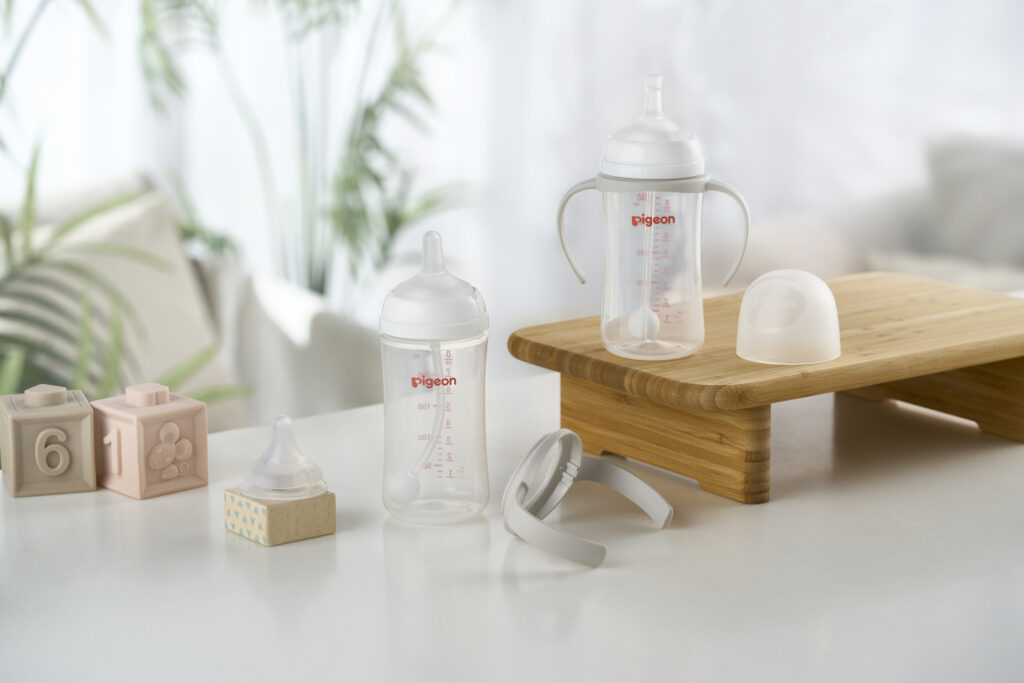
Choosing the right baby water bottle can make the transition to drinking water smoother and more enjoyable for your little one. Each bottle type offers different benefits depending on your baby’s age, comfort level, and developmental needs.
1. Straw Bottle (Highly Recommended)
Straw bottles are ideal for babies six months and older. They help build sipping skills, support natural jaw movement, and promote healthy oral motor development. These bottles are spill resistant, travel friendly, and easy for babies to handle on their own. They also serve as a great transition from milk bottles, teat bottles, or regular feeding bottles.
2. Soft Spout Bottle
Soft spout bottles mimic the texture of a bottle teat, which makes them easier for babies who prefer familiar sensations. They are gentle on sensitive gums and suitable for the earliest stages of learning how to sip. This bottle type is especially helpful for babies who are hesitant to switch from feeding bottles to water bottles.
3. PPSU Bottle With Spout or Straw
A PPSU bottle offers durability, heat resistance, and a lightweight feel, making it a popular choice among parents. PPSU bottles are safe for high temperature sterilisation and remain odour resistant over time. Their versatility allows them to be used for both milk and water, making them a practical daily option.
4. Wide Neck Bottle
A wide neck bottle fitted with a spout attachment can benefit babies who prefer a familiar, bottle-like shape. The wider opening makes cleaning easier and provides a smoother transition from traditional feeding bottles to dedicated water bottles.
How to Introduce Water to Your Baby
Introducing water to your baby should be done gradually and with the right approach. Offering water during mealtimes helps them swallow solids more comfortably and reduces constipation as they start new foods. Begin with only a few sips, since too much water can fill their stomach and reduce their appetite.
Choosing a lightweight PPSU or silicone bottle makes it easier for small hands to grip. Gradually reducing the use of feeding bottles for water helps them understand the difference between milk and hydration, making the transition to a dedicated baby water bottle smoother.
Safety Tips When Giving Babies Water
Ensuring water safety and bottle hygiene is just as important as knowing when to introduce water to your baby. Always use clean, safe water, and for babies under one year old, boiled and cooled water is the best option. Water bottles should be washed thoroughly every day because straws and spouts can trap residue.
Use warm soapy water, a bottle brush, and sterilisation to keep bottles clean. Check and replace worn straws, spouts, and bottle teats regularly to maintain safe drinking flow. Avoid giving sugary drinks like juice or honey water, as they can lead to early tooth decay even if your baby uses a toothbrush and toothpaste.
Common Mistakes Parents Should Avoid
Common mistakes can make water introduction more challenging, so being aware of them helps keep your baby safe and supports healthy development. Here are some key errors parents should avoid:
- Giving water too early: Introducing water before 6 months can be dangerous and unnecessary.
- Replacing milk feeds with water: Babies still rely heavily on milk for nutrition during the first year.
- Using feeding bottles for water long term: Prolonged use may affect oral development, so transition to straw bottles when possible.
- Choosing low-quality plastics: Always choose BPA-free, PPSU, or silicone bottles for better safety and durability.
By avoiding these mistakes, you can help your baby build healthy hydration habits and transition smoothly to drinking water with confidence.
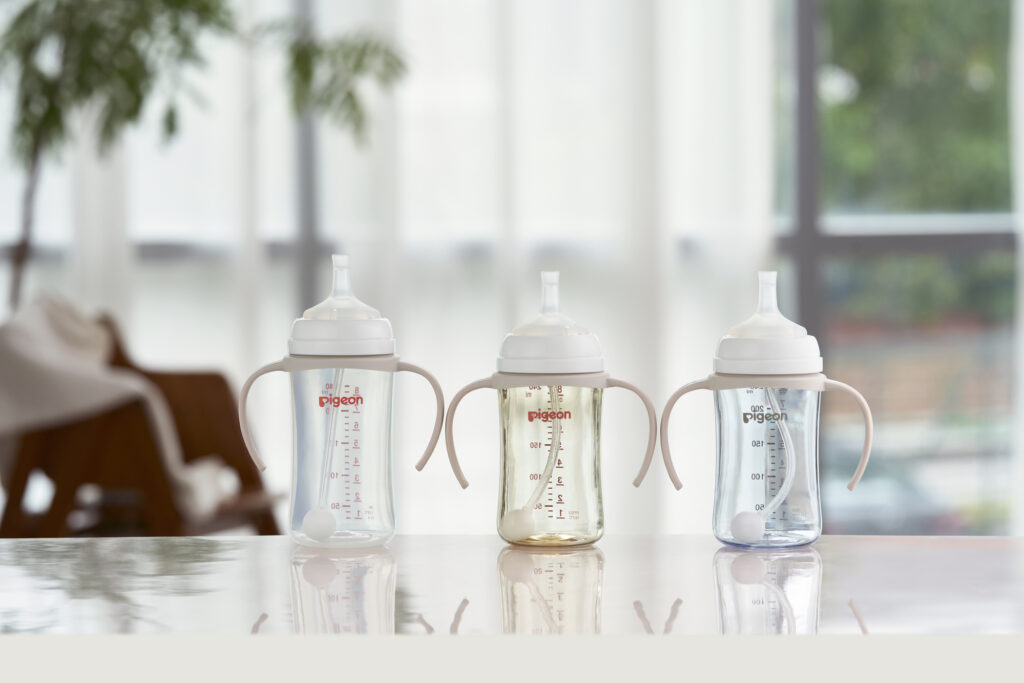
Hydrate Your Baby Safely With the Right Baby Water Bottle
Understanding when you can give a baby water in a bottle helps ensure your little one stays safe, healthy, and hydrated. Once your baby turns 6 months old, small amounts of water can be introduced using a baby water bottle such as an anti-colic bottle, spout bottle, PPSU bottle, or wide neck bottle.
Offering water gradually, keeping bottles clean, and choosing age-appropriate designs all contribute to a smooth transition from milk-only feeding to healthy hydration habits. For parents looking for safe and reliable baby water bottles, explore Pigeon’s range of baby drinkware now..
FAQs About Baby Water Bottles
Is it okay to give water in a baby bottle?
Yes, but once your baby is 6 months old, it’s better to offer water using a baby water bottle to promote healthy drinking habits.
How do I know if my baby is ready to drink water from a bottle?
Most babies show readiness around 6 months when they begin solids, can sit with support, and show interest in holding or reaching for cups and bottles..
Should I sterilise my baby’s water bottle?
For babies under 12 months old, sterilising water bottles regularly is recommended. After one year, thorough washing with warm soapy water is usually sufficient.
Is it okay to give my baby water in a regular feeding bottle?
Yes, giving water in a milk bottle is not harmful. However, experts recommend transitioning to a baby water bottle once your baby reaches around 6 months of age.