Breastfeeding is often described as natural, but that does not mean it is always easy. Many mothers experience challenges such as latch difficulties, sore nipples, milk oversupply, leakage, or the need to express milk for later use. This is where having the right breastfeeding essentials becomes crucial.
Breastfeeding essentials are tools designed specifically to support nursing mothers by improving comfort, protecting milk supply, and allowing flexibility without disrupting breastfeeding routines. When used correctly, these items help mothers breastfeed longer with less stress and more confidence.
Understanding the benefits of breastfeeding is important, but equally important is knowing how to support the process with practical, evidence-based tools.
What Are Breastfeeding Essentials?
Breastfeeding essentials are tools designed to support mothers throughout their nursing journey, particularly during the early weeks. They help with latch support, milk expression, storage, and hygiene while improving comfort and confidence, allowing mothers to adapt to different routines without disrupting breastfeeding.
Nipple Shields: Support for Latch and Comfort
One of the most commonly used breastfeeding essentials is the nipple shield. This thin, flexible silicone cover is designed to sit over the nipple during breastfeeding. Nipple shields are often used when:
- A baby struggles to latch effectively
- The mother has flat or inverted nipples
- Nipples are sore, cracked, or sensitive
- A baby needs additional stimulation to initiate sucking
Products such as the Pigeon Natural Feel Nipple Shield provide a soft, comfortable barrier while maintaining close contact during feeding. When used with professional guidance, nipple shields can offer temporary support for latch or nipple issues without replacing proper breastfeeding techniques.
Breastmilk Expression and Collection Essentials
Expressing breast milk is a common part of modern breastfeeding, whether due to work commitments, shared caregiving, or personal preference, and it allows mothers to maintain milk supply while giving flexibility in feeding routines.
Manual Breast Pumps
A manual breast pump is a breastfeeding essential for mothers who want a simple and portable way to express milk. Manual pumps are especially useful for relieving engorgement, occasional pumping, and travel or on-the-go use, as they offer control over suction and rhythm for a gentler experience.
Products such as the Pigeon Milk Saver Pump are designed to support comfortable manual expression, and understanding proper fit is equally important, which is why guides on how to measure nipple size for a breast pump can help mothers achieve more effective and comfortable pumping sessions.
Milk Collectors
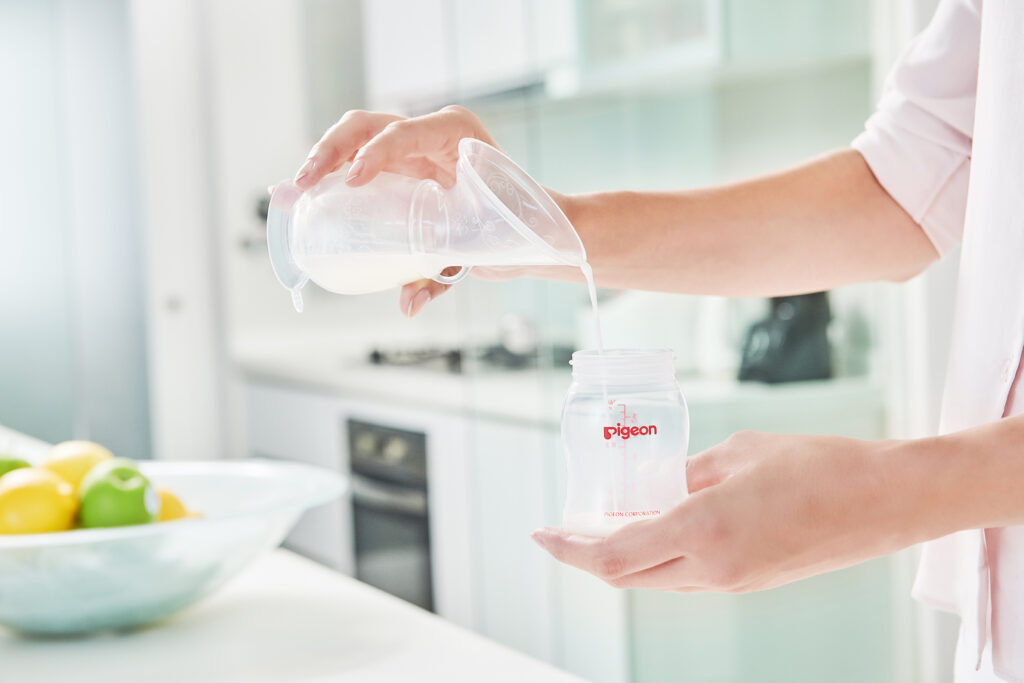
A milk collector helps capture milk that naturally leaks from the opposite breast during feeding or pumping. This prevents wastage and supports milk storage without additional pumping sessions, and learning how to use a milk collector correctly can help mothers maximise collection while staying comfortable.
Breastmilk Storage Solutions
Once milk is expressed, safe storage becomes a priority to preserve its nutritional value, maintain hygiene, and ensure it remains suitable for future feeds at home or on the go.
Breastmilk Storage Bags
Breastmilk storage bags are designed for hygienic and space-efficient storage. They are pre-sterilised, easy to label, and suitable for refrigeration or freezing, making them ideal for building a milk stash while maintaining freshness and safety.
Products such as the Pigeon PSC Breastmilk Storage Bags 180ml Animal Series provide a convenient option for organised and secure breastmilk storage at home or on the go.
Storage Bottles
Some mothers prefer storing expressed milk in storage bottles when it will be fed soon, as these bottles allow direct pumping, storage, and feeding while reducing milk transfers and contamination risks. Options such as the Pigeon Breastmilk Storage Bottle Wide Neck offer a convenient and hygienic storage solution.
Proper storage practices help protect breast milk’s nutrients, maintain hygiene, and support safe feeding, making daily routines more manageable for mothers and caregivers while reducing the risk of milk wastage.
Feeding Bottles That Support Breastfeeding
Even mothers who breastfeed directly often rely on baby water bottles for expressed milk, especially when flexibility is needed for work or shared caregiving. Choosing the right baby bottle is essential to support natural feeding patterns and reduce the risk of nipple confusion or feeding difficulties.
Wide Neck Bottles
Wide neck bottles are popular among mothers because their shape allows for easier cleaning and better compatibility with breast-like teats, which helps maintain hygiene and comfort. This supports a more natural latch when babies switch between breast and bottle, making feeding transitions smoother.
Anti-Colic Bottles
An anti-colic bottle is designed to reduce air intake during feeding, which may help minimise gas, spit-up, and fussiness. These bottles can be particularly helpful for babies who show signs of discomfort after feeds, supporting calmer feeding sessions and improved digestion.
PPSU and Milk Bottles
Durable materials such as PPSU are commonly used for milk bottles due to their heat resistance and long-term use benefits. These bottles are suitable for frequent sterilisation and repeated daily use, which is especially important for maintaining hygiene when feeding breast milk.
Bottle Teats: Flow and Shape Matter
The bottle teat plays a significant role in supporting breastfeeding continuity by influencing milk flow, sucking rhythm, and how comfortably babies switch between breast and bottle feeds. When feeding expressed breast milk:
- A slow-flow teat is usually recommended, especially for newborns
- A soft and flexible teat helps mimic natural sucking
- Gradual flow supports paced feeding
Understanding how to choose the right teat design that affects milk flow can help parents maintain breastfeeding patterns while introducing bottle feeds, supporting a smoother transition, and reducing feeding confusion for babies.
Hygiene and Breastfeeding Accessories
Maintaining cleanliness is essential for breastfeeding tools. Teat brushes, drying racks, and proper sterilisation methods help ensure feeding equipment remains safe and hygienic. Clean equipment protects both milk quality and baby health.
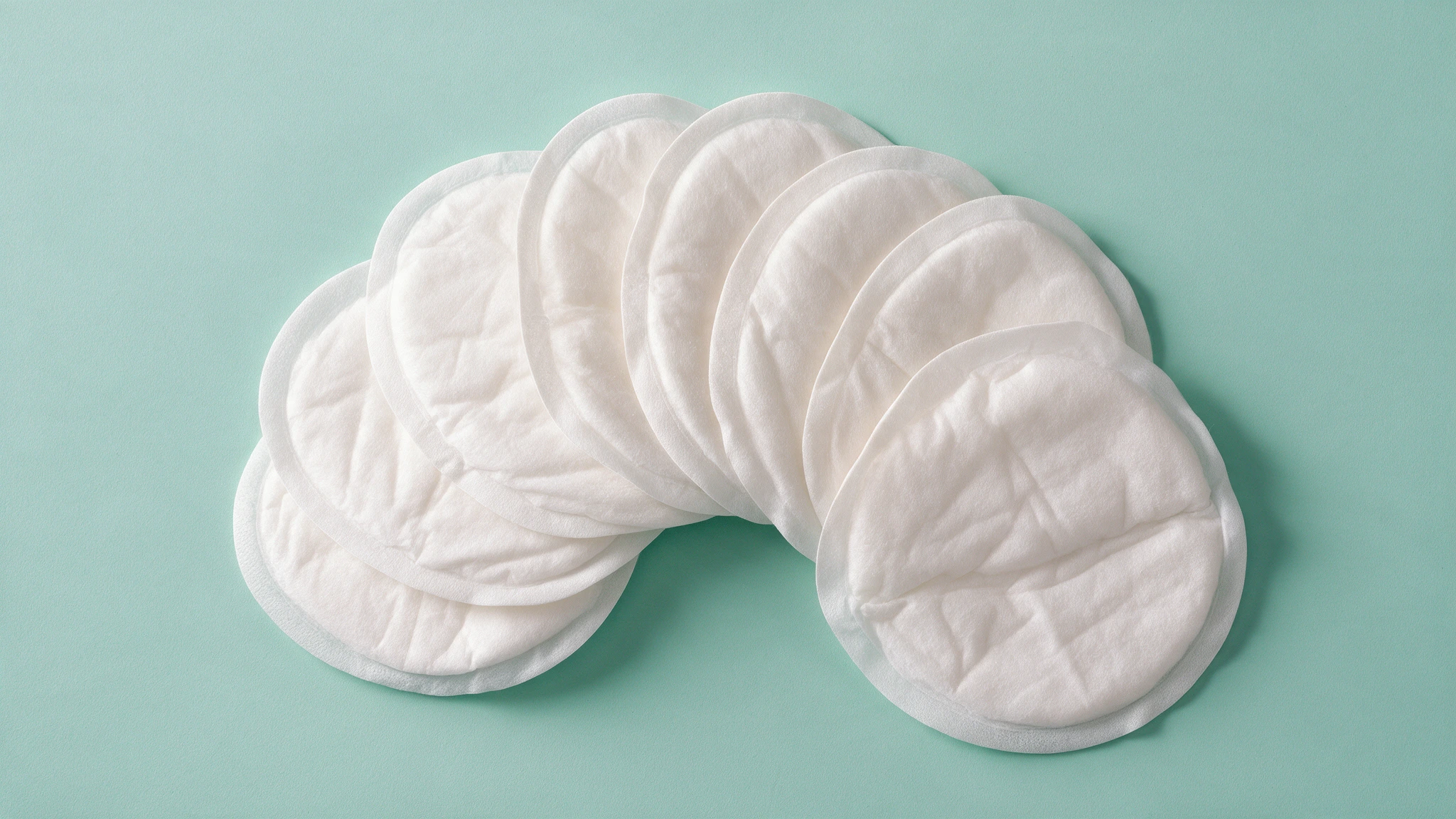
Breast pads are essential during the early weeks of breastfeeding when milk leakage is common. They help keep skin dry and prevent irritation, especially during long feeding intervals or overnight use.
Building a Breastfeeding-Friendly Routine
Breastfeeding essentials are not about solving every challenge. They are about support. The right tools help mothers respond to changes in routine, body needs, and baby behaviour. A well-prepared breastfeeding setup typically includes:
- Nipple support tools
- Expression and storage solutions
- Breastfeeding-friendly bottles and teats
- Hygiene and comfort accessories
Combined with reliable breastfeeding education and professional guidance, these essentials help mothers feel prepared, supported, and more confident rather than overwhelmed as they navigate their breastfeeding journey.

Supporting Your Breastfeeding Journey with Confidence
Breastfeeding is a learning process for both mother and baby. While it is natural, it is also influenced by comfort, confidence, and the right support system. Having the right breastfeeding essentials, such as nipple shields, breastmilk storage tools, and manual pumps, can make the journey smoother and more sustainable.
If you are looking for thoughtfully designed breastfeeding essentials created with mothers’ needs in mind, explore the full Mothers’ Essentials range from Pigeon Malaysia. Their breastfeeding tools are developed to support comfort, hygiene, and feeding flexibility at every stage of your nursing journey.
Supporting breastfeeding starts with the right preparation, and the right essentials can make all the difference.
FAQs About Breastfeeding Essentials
Do I need breastfeeding essentials if I plan to breastfeed directly?
Yes. Even mothers who breastfeed directly often benefit from essentials such as nipple shields, milk collectors, and storage bags. These tools help manage common challenges like soreness, leakage, or occasional separation from the baby.
When should I start preparing breastfeeding essentials?
It is best to prepare basic breastfeeding essentials before delivery. Having items like storage bags, breast pads, and a pump ready can reduce stress during the early postpartum period.
Can using bottles affect breastfeeding?
Bottles can support breastfeeding when chosen carefully. Using breastfeeding-friendly bottle designs and slow-flow teats helps maintain natural feeding patterns and reduces the risk of nipple confusion.
How do I know which breastfeeding tools are right for me?
Every breastfeeding journey is different. Start with essential items and adjust based on your comfort, milk supply, and baby’s feeding behaviour. Consulting a lactation professional can also help guide your choices.